
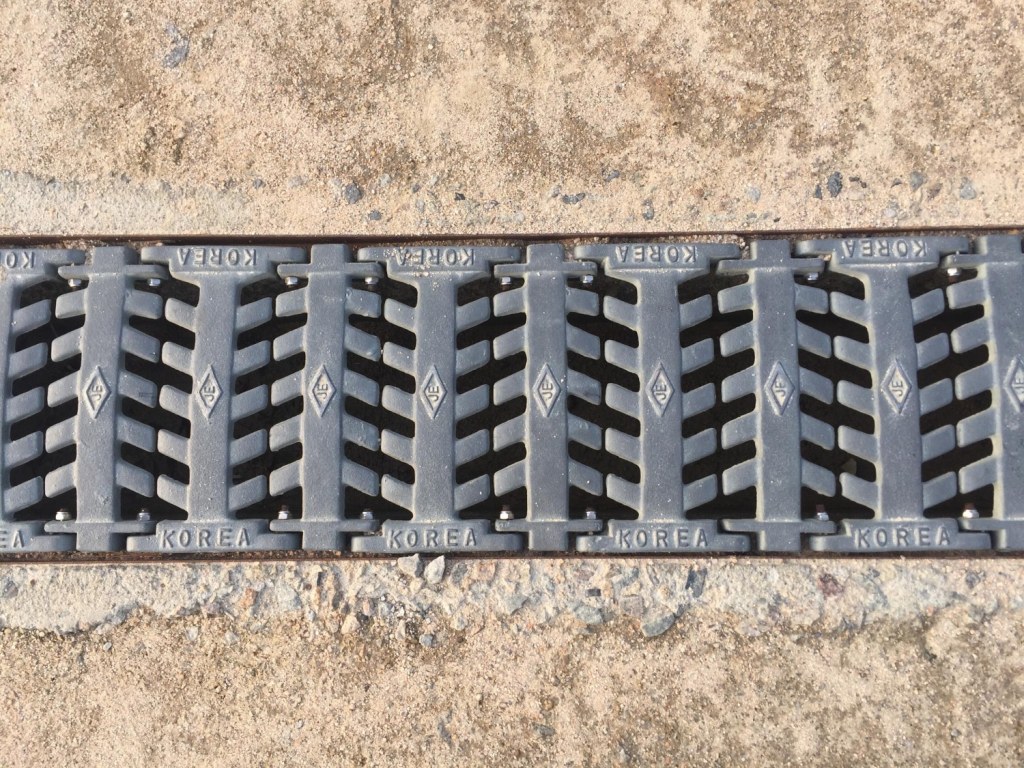
When building high-end structures, every detail matters. One critical factor in maintaining the integrity of your build is the correct use of expansion joints. These joints play a significant role in handling the natural movements of a building, caused by temperature changes, weather conditions, and material settling.
Expansion joints are essential to prevent cracks and other damage in your building. Without them, the natural expansion and contraction of materials can cause serious issues over time. These joints absorb movement, reducing stress on the structure and preserving its aesthetic and functional quality.
In this blog, we’ll dive deep into the world of expansion joints. You’ll learn why they’re necessary, common causes of cracking, and how to install and maintain them properly. Whether you’re a seasoned builder or a homeowner embarking on a new project, understanding expansion joints is crucial for a durable and flawless high-end build.
Understanding Expansion Joints
Expansion joints are designed to handle the natural movements of buildings. These movements can happen due to changes in temperature, weather conditions, or settling of the materials. The main purpose of expansion joints is to absorb and manage this movement, preventing cracks and other damage over time.
In high-end builds, maintaining structural integrity and appearance is crucial. Expansion joints are essential because they help reduce stress on the building materials. This keeps the structure looking great and functioning as intended. Without these joints, even minor movements could lead to significant damage.
There are different types of expansion joints used in construction. Concrete joints are commonly used in floors and pavements. These allow sections to move independently without affecting the overall structure. Control joints, another type, are used to manage the cracking that happens as concrete dries and shrinks. Movement joints, often found in walls and ceilings, permit movement without affecting the adjacent materials. Each type of joint serves a specific purpose to maintain the durability of your build.
Causes of Cracking and Movement
Several environmental factors can cause cracking and movement in buildings. Temperature changes are a huge factor. As materials heat up, they expand, and when they cool down, they contract. This constant expansion and contraction can lead to cracks if there aren’t any expansion joints to absorb the movement.
Building materials and construction methods also play a role. Some materials like concrete and wood naturally expand and contract more than others. Using these materials without considering their properties can lead to issues. Additionally, improper installation or mixing of different materials can create stress points that crack over time.
Common mistakes to avoid include ignoring the need for expansion joints and using incorrect materials. Some builders might skip joints to cut costs or speed up construction, but this usually leads to more expensive repairs later. Others might choose materials that don’t suit the building’s environment. Getting it right the first time with proper planning and material selection can save a lot of headaches.
Effective Installation Techniques
Proper installation of expansion joints is key to ensuring their effectiveness. Follow these step-by-step instructions to get it right:
1. Preparation: Clean the area where the joint will be installed, making sure it’s free from debris and dust.
2. Measure and Cut: Measure the joint opening and cut the joint material to the appropriate length.
3. Installation: Place the joint material into the opening, ensuring it fits snugly without being forced.
4. Sealing: Apply a high-quality sealant over the joint to protect it from moisture and other environmental factors.
Following these steps helps ensure a solid installation that will last. Best practices include using flexible materials designed to handle the specific movements of your build. Always follow the manufacturer’s guidelines for both materials and tools.
The tools and materials you will need for installing expansion joints include a tape measure, utility knife, joint material, and the appropriate sealant. Having the right tools handy makes the installation process smoother and more efficient.
Maintenance Tips for Long-Lasting Expansion Joints
Regular maintenance is crucial for the longevity of expansion joints. Here are some tips to keep them in top shape:
– Regular Inspection: Check your expansion joints every few months. Look for signs of wear and tear, such as cracks or gaps in the sealant.
– Repair Methods: If you find any damage, clean the area and reapply sealant to patch up minor issues. For more significant damage, you might need to replace the joint material altogether.
– Signs That Indicate the Need for Replacement: If your expansion joints show extensive cracking, peeling, or if they no longer flex as they should, it’s time for a replacement.
Preventive measures help minimise damage and extend the life of your expansion joints. Keep the areas around the joints clean and free from debris. Avoid using harsh chemicals near the joints, as these can degrade the materials. Regularly reapplying sealant will also keep the joints functional and looking good.
Conclusion
Preventing cracking and movement in high-end builds requires attention to detail and proper installation and maintenance of expansion joints. These joints are vital in ensuring your building handles natural movements without sustaining damage.
For expert joint sealing and caulking that guarantees durable and long-lasting results, choose ARCHISEAL. Our team of experts will ensure your high-end build remains impeccable. Contact ARCHISEAL today to keep your structures in perfect shape!